

From AI Ambition to Scalable Impact
Operating Models in the Age of AI
AI Is Not a Wave - It’s an Adoption Wall
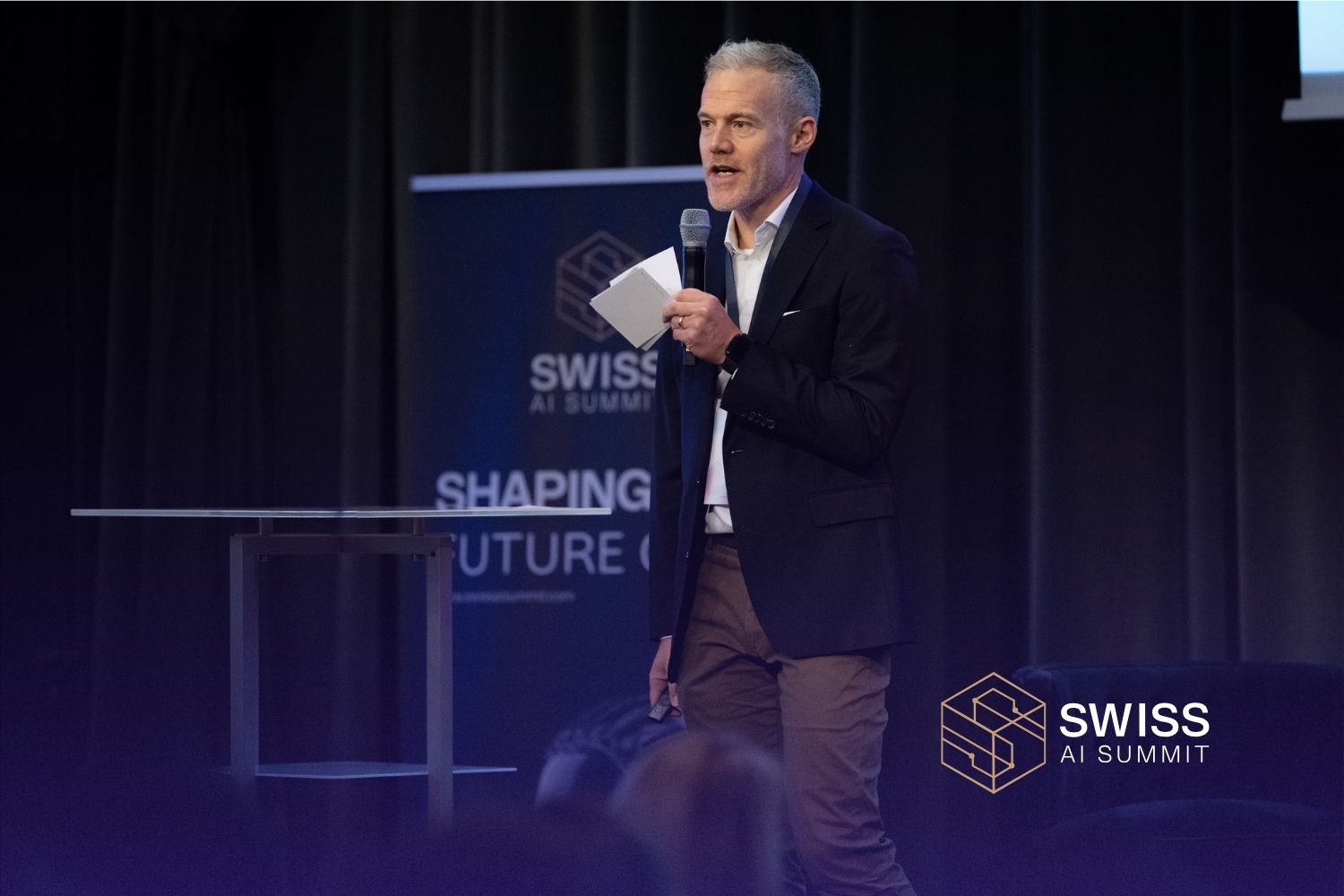
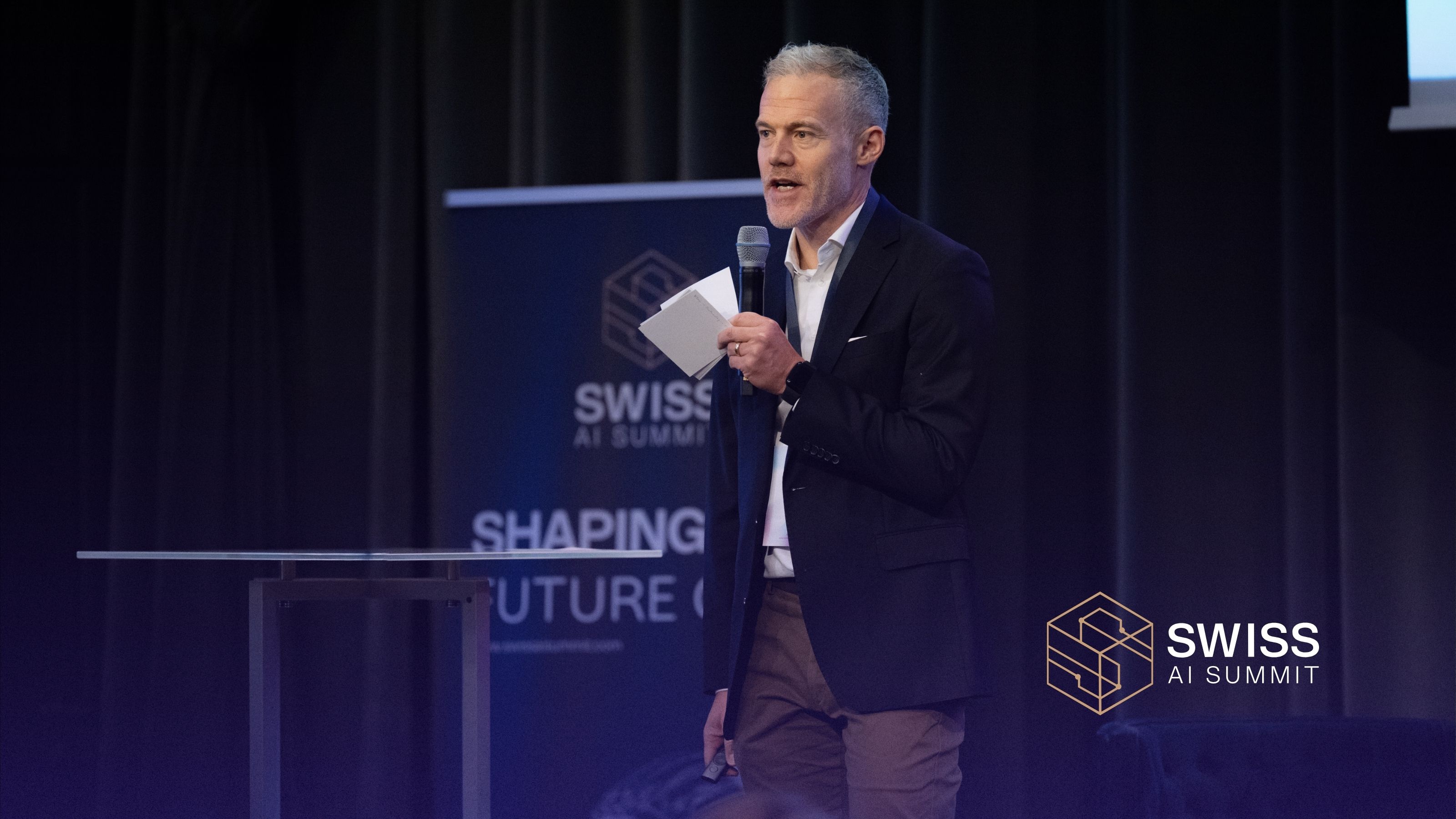
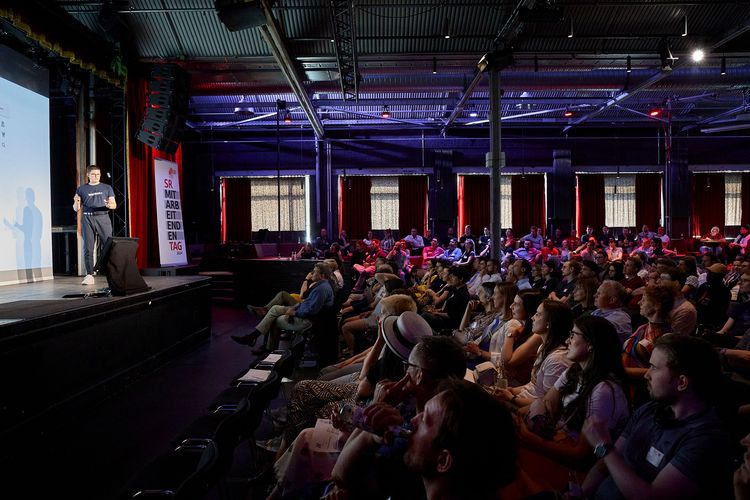
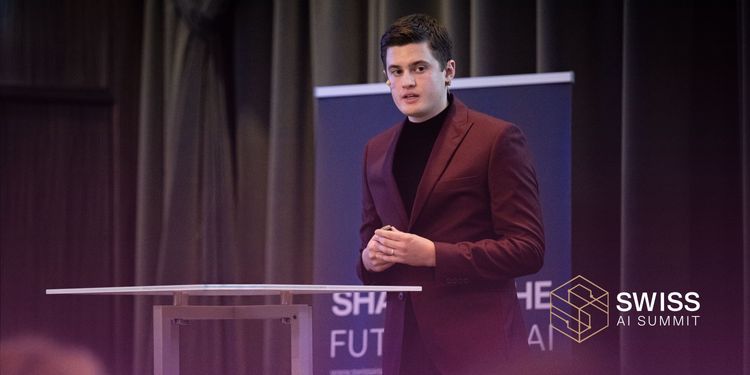
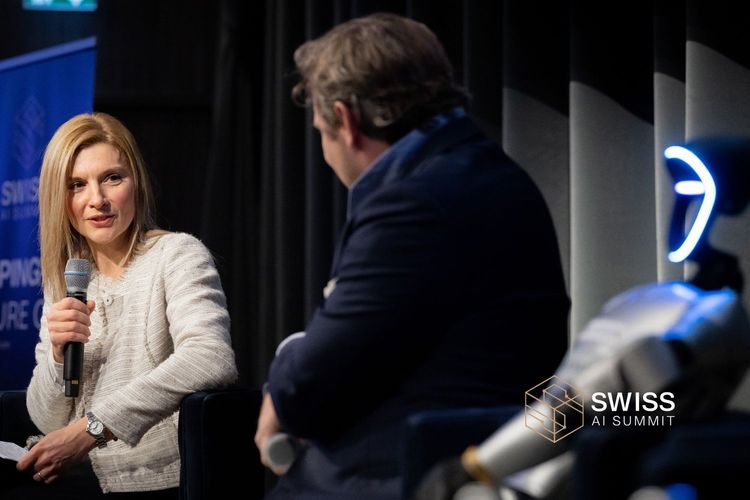
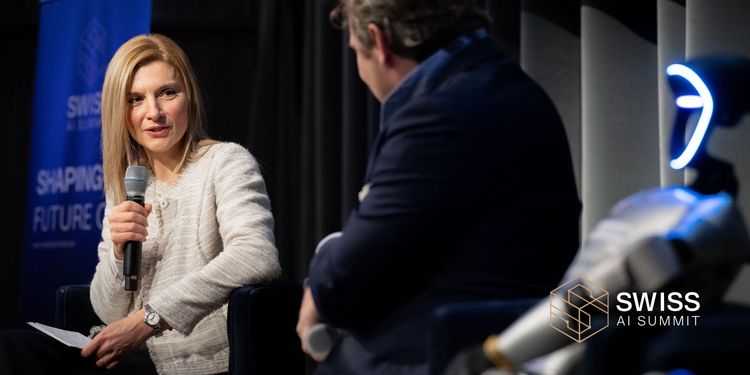
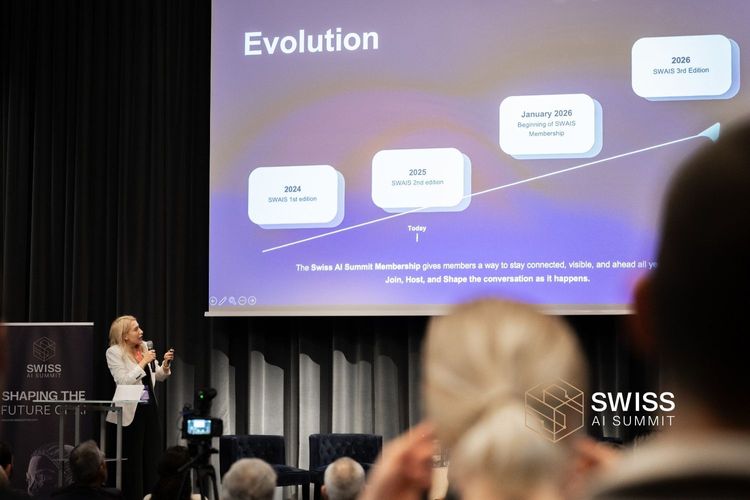
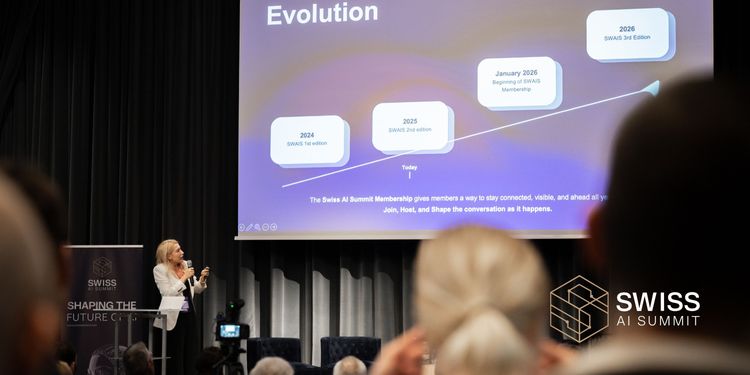
On the main stage of the Swiss AI Summit 2025, Wanja Bont made one thing clear from the start: AI adoption is no longer a future scenario - it is already reshaping work, roles, and organizational structures at unprecedented speed. Unlike previous technologies that took decades to mature, AI systems reached millions of users within days, forcing organizations to react in real time.
This acceleration has tangible consequences. By 2030, a significant share of today’s work tasks will be automated, and many companies are already pausing hiring in routine-heavy functions. However, Wanja emphasized that AI is not only about replacement. While automation will handle repetitive tasks, AI simultaneously increases the value of uniquely human capabilities such as judgment, creativity, trust, and contextual decision-making.
Automation and Augmentation Must Scale Together
A core message of the keynote was the need to run two vectors in parallel: automation and augmentation. Organizations that focus only on efficiency gains risk missing the real opportunity - designing collaboration between humans and machines that improves outcomes rather than just reducing costs.
The challenge, however, is organizational. Most AI initiatives fail below the surface due to what Wanja described as the “iceberg problem”:
- unclear ownership
- weak roles
- missing governance
- siloed teams
- and cultures that are not ready for AI-driven change
Without an operating model that embeds AI into how decisions are made and work is organized, even strong pilots remain isolated experiments.
Swiss AI Magazine 2026
Insights, takeaways, and perspectives that last
2026 also sees the launch of a new edition of the Swiss AI Magazine. Building on the momentum of the previous year, the magazine captures key insights, strategic reflections, and concrete takeaways from the last summit while adding fresh perspectives on emerging trends and technologies.
As the first printed AI magazine in Switzerland, it serves as a bridge between the summit, the membership, and the wider ecosystem. The 2026 edition will spotlight cross-industry learnings, real-world use cases, and thought leadership that extends the impact of the summit far beyond the event itself.
Launch of the Podcast
This year, we’ll be introducing a new podcast format designed to extend the conversations beyond the Summit and into a more continuous exchange throughout the year. The podcast will explore practical perspectives on AI, leadership and real-world application - bringing together voices from across the ecosystem. While we’re not revealing too much just yet, more details on the format, themes, and first episodes will be shared soon.
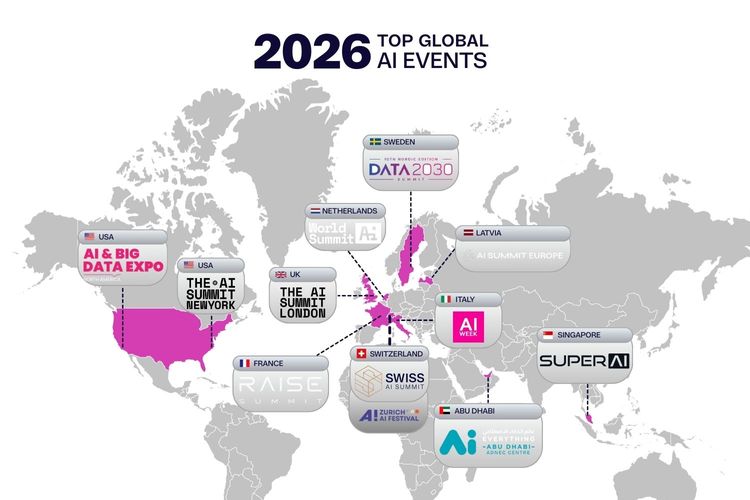
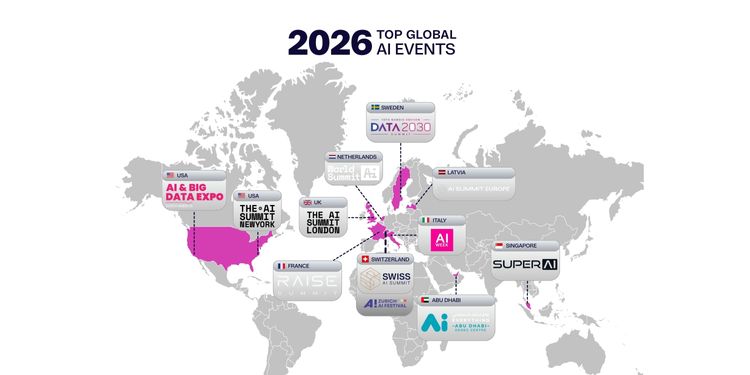
We are grateful to DigitalMara for recognizing the Swiss AI Summit as part of the global AI event landscape and for reinforcing the importance of credible, impact-focused AI platforms.
Leadership Disciplines for Scaling AI
To overcome these barriers, Wanja outlined five leadership disciplines: anchoring AI in business strategy, defining clear value propositions, redesigning governance and decision rights, investing in people and AI literacy, and treating data as a product with ownership and quality standards. These disciplines are not new - organizations have encountered them during previous digital transformations - but AI amplifies their importance.
The keynote concluded with a clear call to action: there is no Plan B. Leaders must move from pilots to operating models and treat AI as a fundamental organizational transformation, not a technical upgrade.
👉 Watch the full keynote on YouTube:
Share via:
Read more
-
September 7, 2026
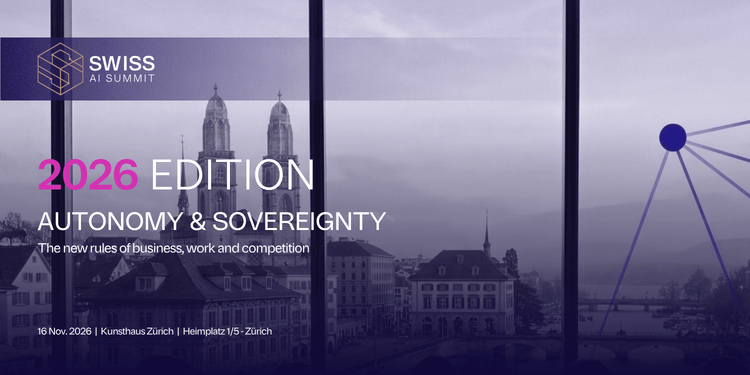
2026 EDITION: Autonomy & Sovereignty
The Swiss AI Summit announces the theme of the 2026 Edition.
-
July 7, 2026
Portugal's State Reform in the Age of AI
What Governments Can Learn from a New Model of Public Administration
-
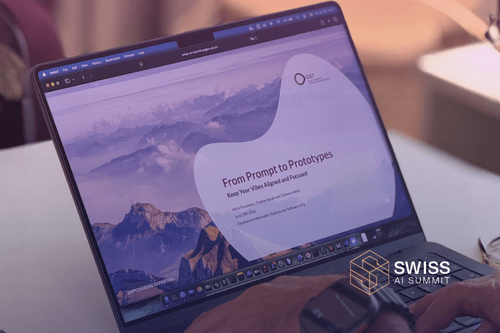
June 30, 2026
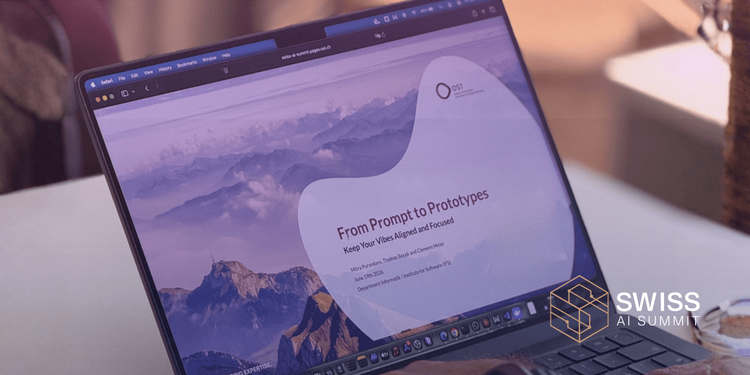
From Code Completion to Autonomous Coding Agents
Our Key Takeaways from our Vibe Coding Session hosted by OST
-
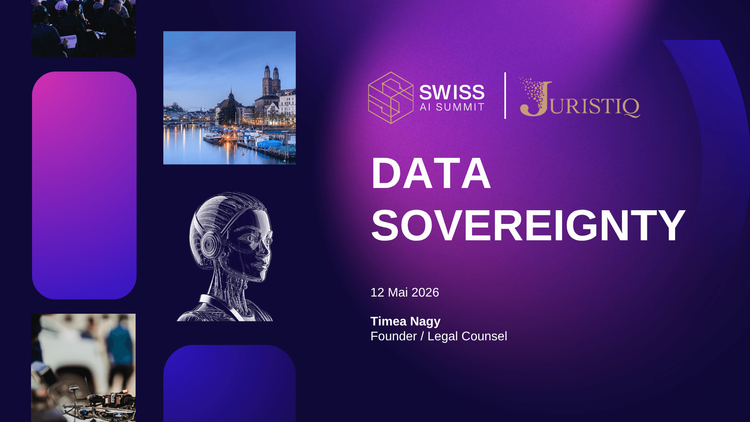
May 14, 2026
The geopolitics of data sovereignty
The political, economic, and strategic battle over digital trust
-

March 25, 2026
Swiss AI Magazine 2026 Launch
A recap of the Swiss AI Magazine 2026 launch event in Zurich at Headsquarter.
-

March 11, 2026
How to create real business value from AI
Insights from the First Swiss AI Summit Community Event of 2026
-
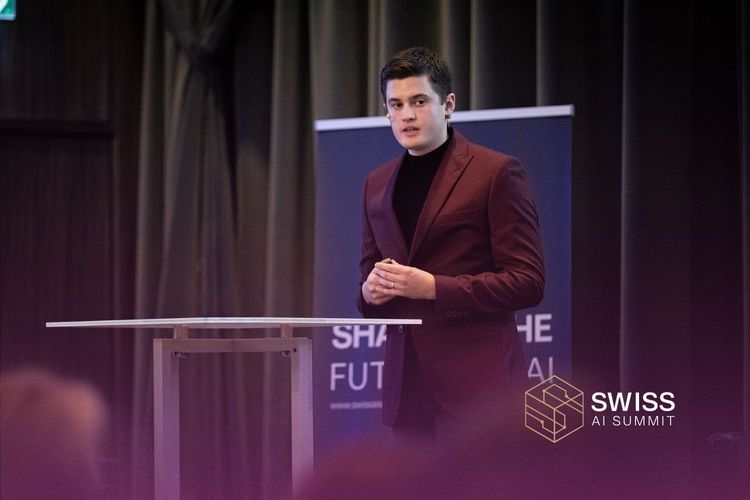
February 13, 2026
Agentic AI Orchestration
Swiss AI Summit 2025 Keynote with Georg M. V. Olowson from IBM.
-
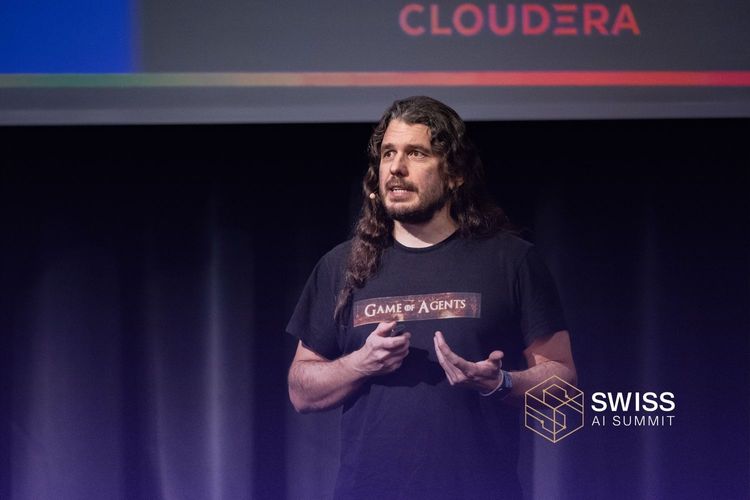
February 12, 2026
Driving Scalable AI Adoption
Swiss AI Summit 2025 Keynote with Sergio Gago, CTO @ Cloudera
-
February 11, 2026
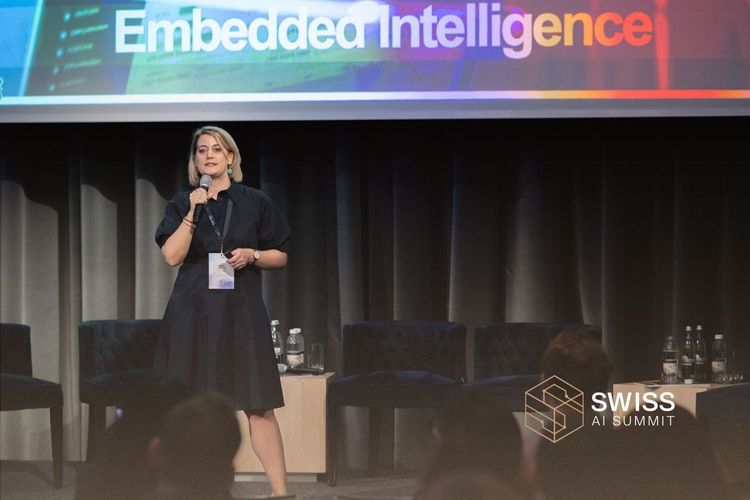
Embedded Intelligence
Swiss AI Summit 2025 Keynote with Nadine Ebmeyer, CEO @ BANQR
-

February 10, 2026
Enterprise AI Beyond the Hype
Swiss AI Summit 2025 Keynote with Dr. Dorian Selz, Founder & CEO @ Squirro AG
-
February 6, 2026
Swiss AI Summit listed as a top Global AI Event
Read more about the Article and our Listing by DigitalMara.
-

February 5, 2026
EU-INC. One Legal Entity, One AI Rulebook:
What the EU’s Single Market Vision Means for Tech Companies and AI Innovation
-
November 2, 2025
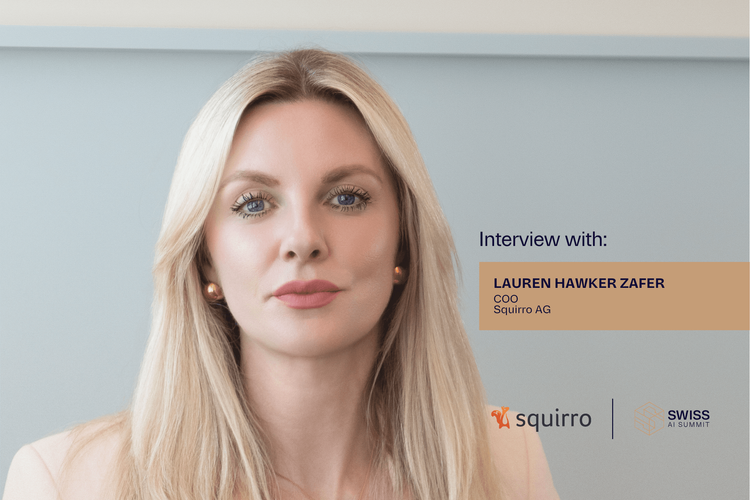
Interview with: Lauren Hawker Zafer
How Squirro’s Lauren Hawker Zafer views Zurich’s growing AI ecosystem
-

October 8, 2025
PRESS RELEASE: SwissCognitive and Swiss AI Summit join forces
Strengthening business-driven AI adoption and dialogue in Switzerland and beyond
-

October 1, 2025
Article: General-Purpose AI Code of Practice
From Voluntary Code to Strategic Standard: leveraging the GPAI Code of Practice.
-
September 29, 2025
News: The Swiss AI Summit Ecosystem
Switzerland's holistic Platform for AI Innovation
-

September 10, 2025
Article: Escaping the 85% Failure Trap:
Boost Your AI with Quantum-Enhanced Time Series Forecasting
-

September 10, 2025
Article: AI as the Brain of Tomorrow’s Financial System
Insights from Pathway 2035 for Financial Innovation – Your Navigator
-
September 8, 2025
Article: Shaping the Future
AI for Good Global Summit 2025 as the UN’s Premier Forum for AI Innovation
-
September 7, 2025
Article: Unlocking Generative AI in Finance
Solving Complex Data Challenges for Central Banks and Government Authorities
-
September 3, 2025
Article: THE FIVE TRUTHS OF AI - 2025 PERSPECTIVE
Let's explore the evolved "5 Truths of AI" that have emerged in 2025.
-
September 2, 2025
Article: Masumi - The PayPal for AI Agents
“We want to build the PayPal for AI agents.”















Share via: