

Published on:
February 4, 2026
Reading time:
8 minutes
Article: What's new in 2026?
A milestone year for the Swiss AI ecosystem
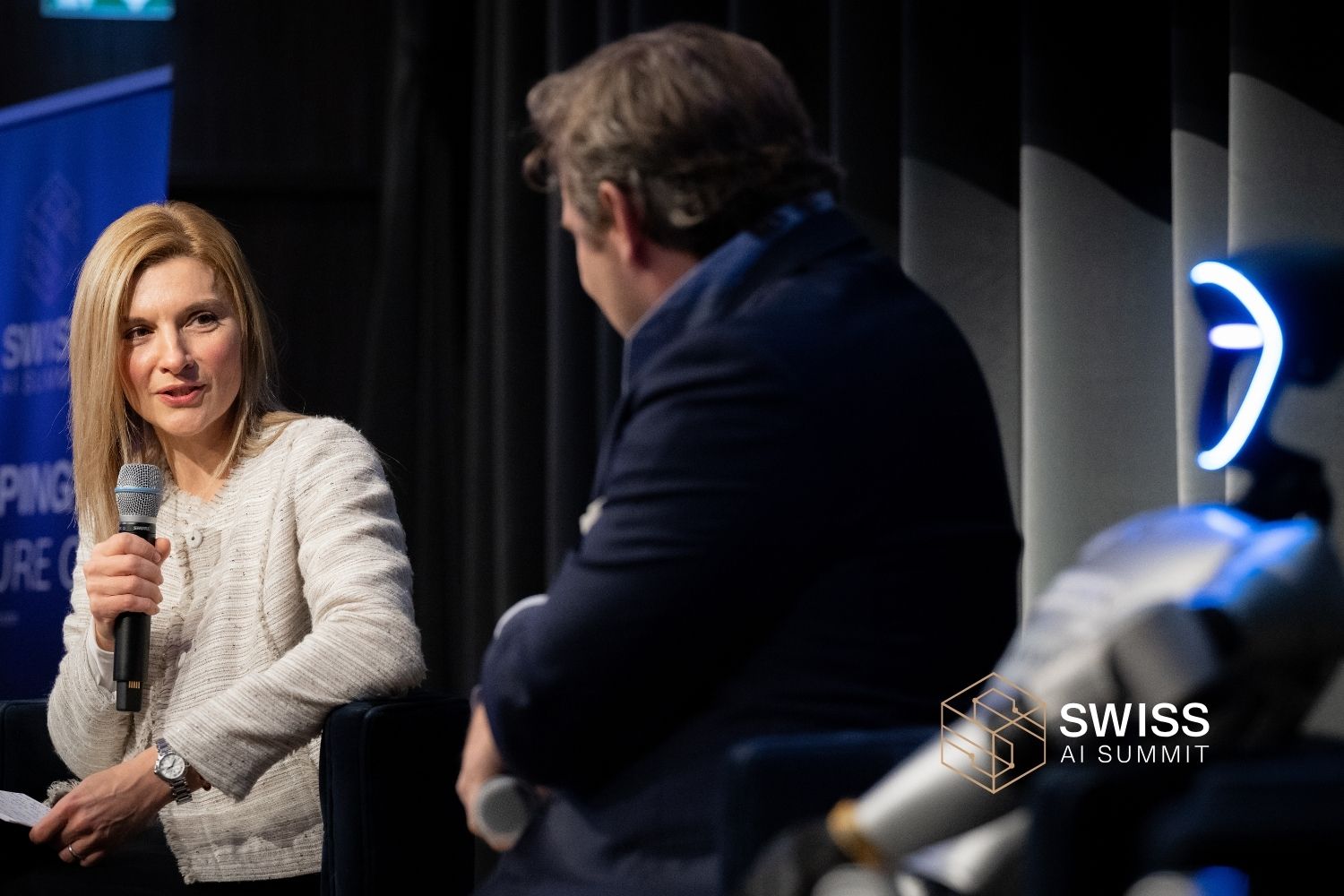
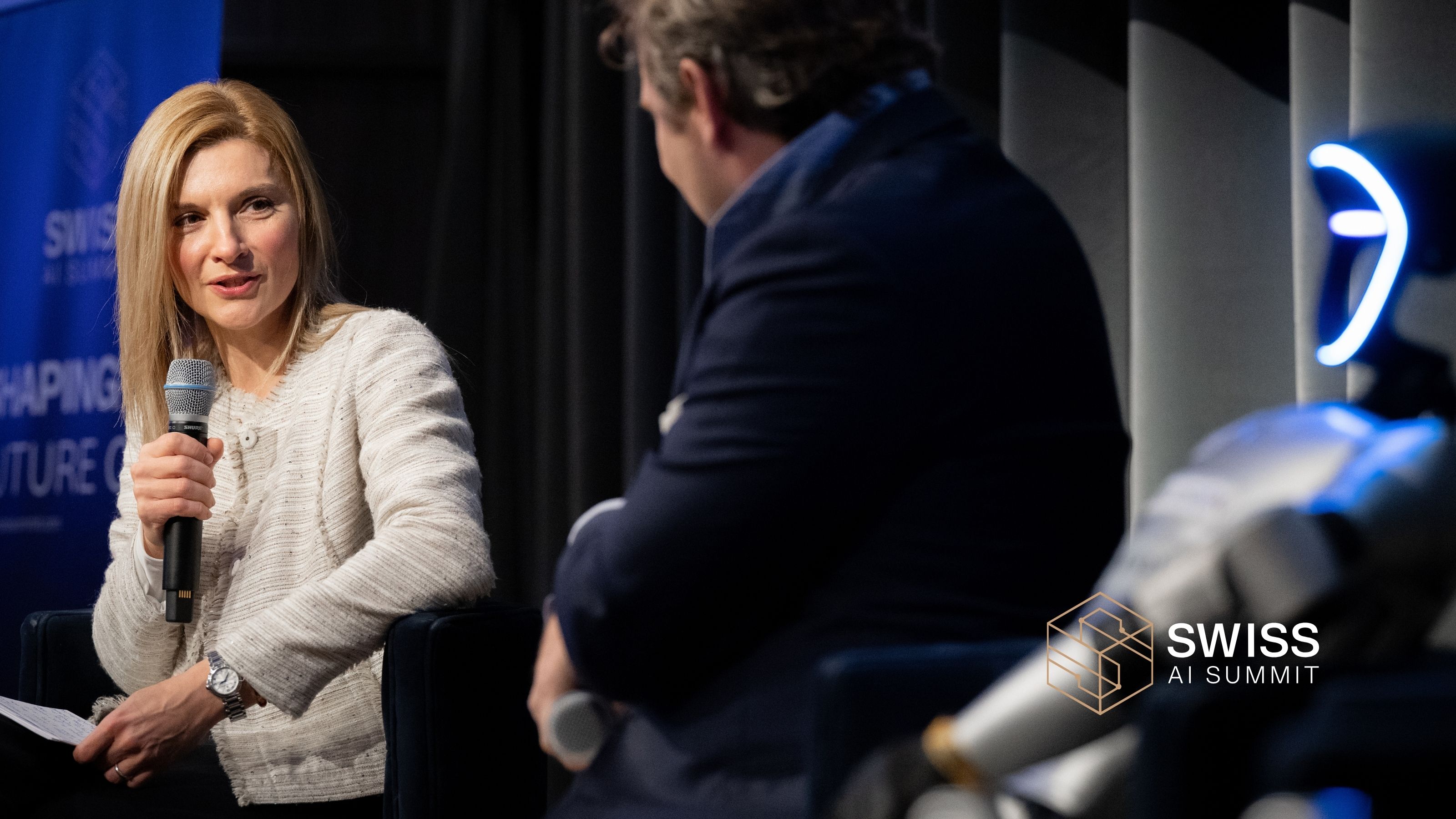
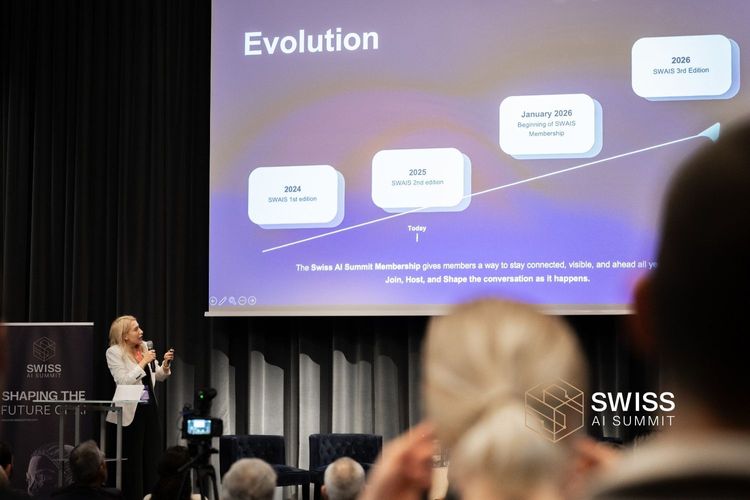
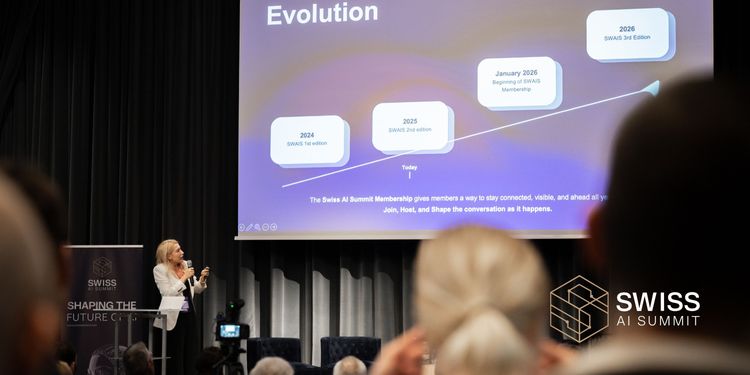
2026 marks one of the most important milestones in the evolution of the Swiss AI Summit ecosystem. This year is about scale, depth, and continuity: expanding beyond single events into a year-round experience that connects leaders, practitioners, and organizations shaping the future of artificial intelligence.
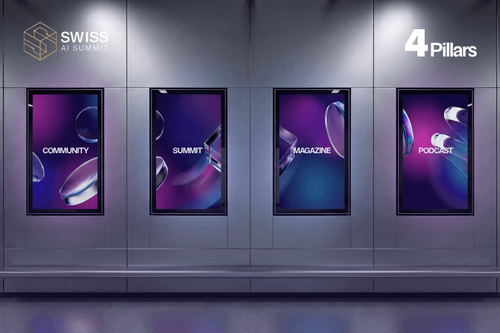
From the launch of an exclusive membership program to a new edition of the Swiss AI Magazine and a bolder, larger Swiss AI Summit, 2026 sets the foundation for a more connected and impact-driven AI community.
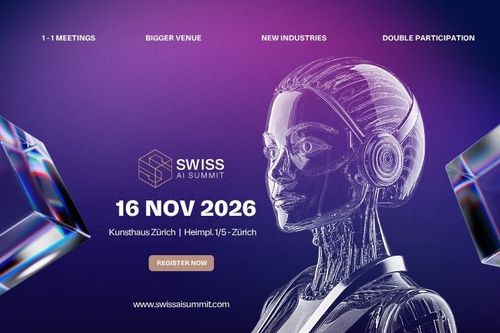
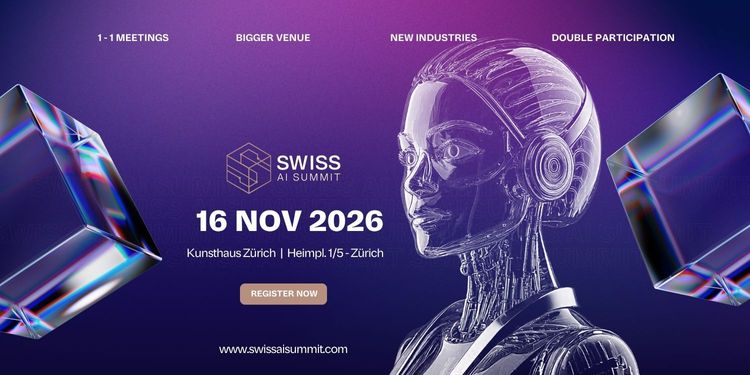
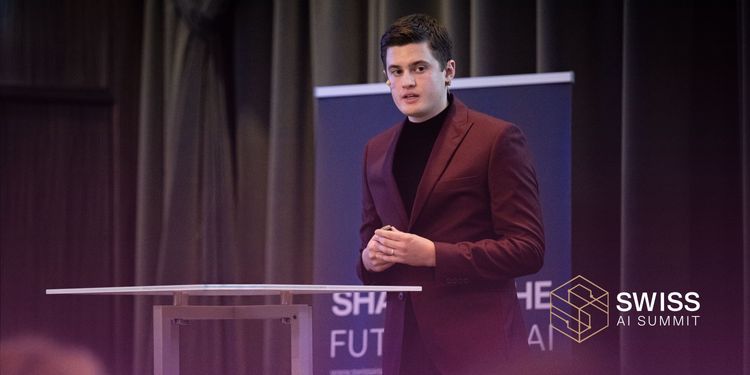
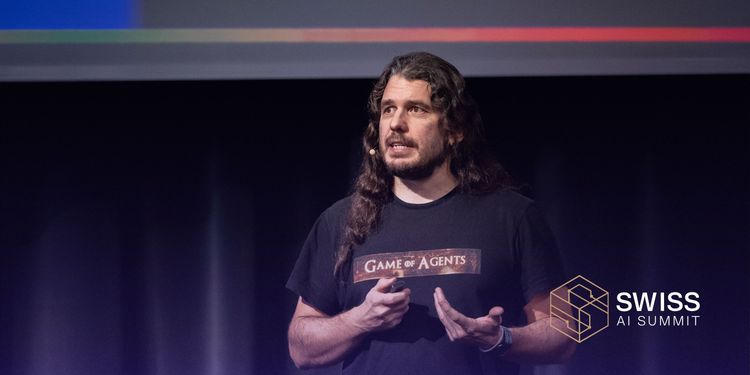
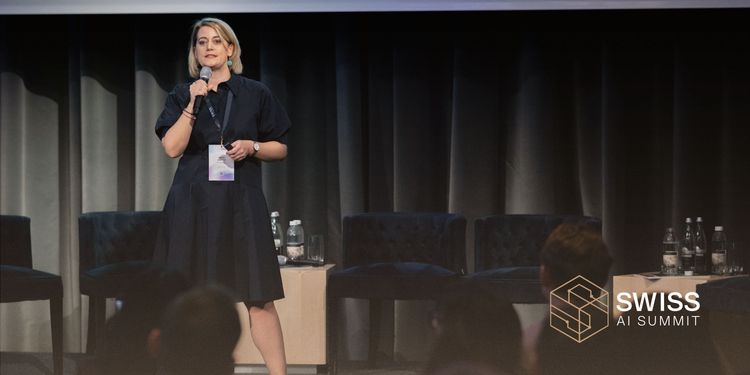
At the core of the year remains the Swiss AI Summit 2026, returning on a larger scale and with an expanded vision. The upcoming edition will welcome over 1,000 participants, feature 70+ speakers, and cover 14+ industries, making it one of the most comprehensive AI gatherings in the region.
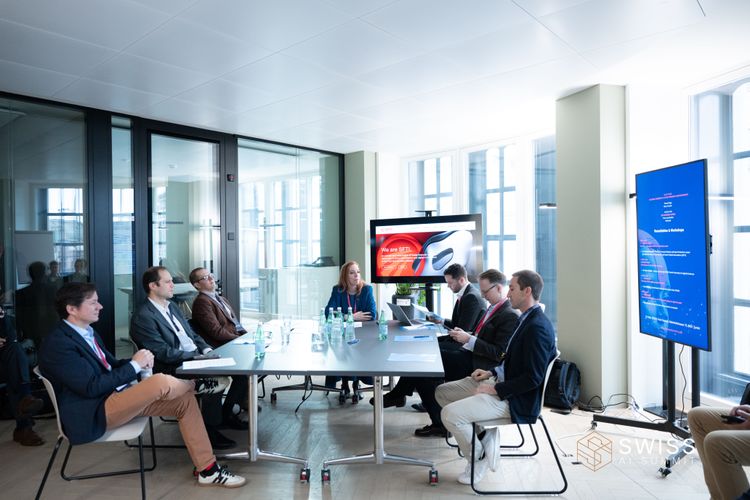
Beyond growth in size, the summit continues to evolve in substance. Alongside keynotes, panels, workshops, and roundtables, the ecosystem around the event will offer new formats, deeper networking opportunities, and additional perks designed to maximize value for participants before, during, and after the summit.
The Debut of the Swiss AI Summit Membership
A year-round, curated AI experience
One of the biggest milestones of 2026 is the official launch of the Swiss AI Summit Membership. Designed as an exclusive, high-value ecosystem, the membership brings together over 200 members from more than 100 companies, creating a trusted environment for continuous exchange, learning, and collaboration.
Throughout the year, members gain access to 12+ curated workshops and roundtables, covering strategic, technical, regulatory, and organizational dimensions of AI adoption. The focus is on depth over volume: smaller formats, peer-level discussions, and practical insights that can be applied directly within organizations. The membership transforms the Swiss AI Summit from a single annual highlight into an ongoing journey for the SWAIS community.
Swiss AI Magazine 2026
Insights, takeaways, and perspectives that last
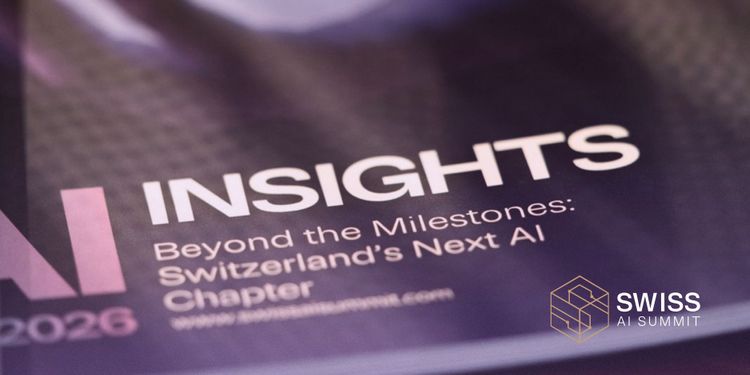
2026 also sees the launch of a new edition of the Swiss AI Magazine. Building on the momentum of the previous year, the magazine captures key insights, strategic reflections, and concrete takeaways from the last summit while adding fresh perspectives on emerging trends and technologies.
As the first printed AI magazine in Switzerland, it serves as a bridge between the summit, the membership, and the wider ecosystem. The 2026 edition will spotlight cross-industry learnings, real-world use cases, and thought leadership that extends the impact of the summit far beyond the event itself.
Launch of the Podcast
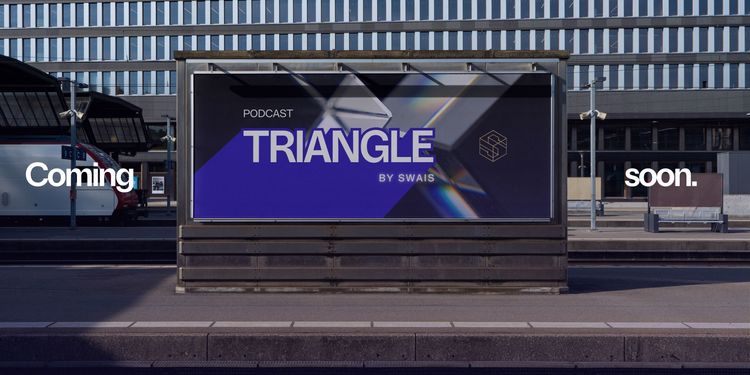
This year, we’ll be introducing a new podcast format designed to extend the conversations beyond the Summit and into a more continuous exchange throughout the year. The podcast will explore practical perspectives on AI, leadership and real-world application - bringing together voices from across the ecosystem. While we’re not revealing too much just yet, more details on the format, themes, and first episodes will be shared soon.
New Industry Focus Areas in 2026
Expanding the AI conversation
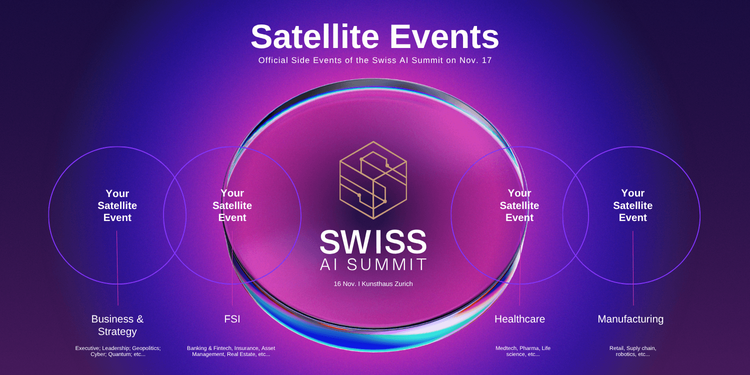
To reflect the growing influence of AI across society and the economy, the Swiss AI Summit 2026 introduces several new and expanded industry tracks:
Financial Services and Insurance (FSI)
Banking & Fintech, Insurance, Asset Management and Real Estate. Discussions explore new models, emerging trends, and the shifts redefining financial services.
Business and Strategy
Industry agnostic. Geopolitical aspects. Public vs. Private actors. Quantum Computing, Cybersecurity, Sustainability,Telecommunication, etc...
We will share strategic perspectives on transformation, leadership, and the future of work.
Manufacturing
Manufacturing, Robotics, Industrial AI, E-commerce, Retail. The Swiss AI Summit will share experiences from factories, supply chains, and global manufacturing operations by AI leaders in the industry.
Healthcare
MedTech, Pharma, Healthcare, Life Science and Longevity. We will discuss progress in care, innovation models, and the future of medical systems.
Global approaches and Switzerland’s hybrid model
At the global level, Pathway 2035 outlines three dominant approaches to AI. The United States promotes a market-driven model that favours speed and entrepreneurship with limited regulatory barriers. China takes a state-coordinated route, aligning AI development with national priorities and exercising strict oversight. The European Union is building a rights-based framework, rooted in ethics, risk classification and accountability.
These differing philosophies carry real consequences, influencing how data is governed, how innovation is financed, and how trust is cultivated. Pathway 2035 stresses the importance of understanding these models in depth and calls for greater international alignment to prevent regulatory fragmentation and ensure secure, interoperable systems.
Switzerland is carving out its own path. In February 2025, the Federal Council confirmed its intention to ratify the Council of Europe’s Convention on Artificial Intelligence and to inte-grate it into national law. The ratification then took place in March 2025. Rather than apply-ing a blanket approach, Switzerland will pursue targeted legislative amendments in key sec-tors such as healthcare and mobility, alongside cross-sectoral provisions on data protection, transparency and non-discrimination. This legal framework will be complemented by non-binding tools – including self-regulatory codes and industry standards – allowing for a flexi-ble yet robust governance model.
This dual-track approach reflects Switzerland’s ambition to remain a global leader in innova-tion while reinforcing its commitment to human rights and public trust. It offers a strategic blend of legal certainty and adaptive implementation.
Switzerland as a driver of AI-powered financial innovation
Pathway 2035 also highlights Switzerland’s distinctive assets. Studies estimate that full-scale adoption of AI across sectors could add up to CHF 85 billion – or 11% – to national GDP over the coming years. AI is not only a driver of productivity and profitability, but also a lever to address structural challenges such as labour shortages, climate transition and research competitiveness.
Switzerland’s academic and technological infrastructure is world-class. Institutions like ETH Zurich and the Swiss National Supercomputing Centre provide the backbone for cutting-edge research. The recent arrival of global AI players such as OpenAI and Anthropic in Zurich only strengthens this positioning. To maintain its edge, however, Switzerland must continue in-vesting in AI infrastructure – including computing power and the development of locally hosted large language models – as part of a broader strategy for digital sovereignty.
Switzerland is also expanding its global influence through AI diplomacy. The International Computation and AI Network (ICAIN), supported by the Federal Department of Foreign Af-fairs, connects AI capabilities with sustainable development research across Europe and Af-rica. With access to two of the world’s most powerful supercomputers and a growing inter-national network, ICAIN embodies how Switzerland merges technical expertise with multi-lateral engagement.
From vision to action
As AI embeds itself into the architecture of the global financial system, Pathway 2035 serves as both a compass and a call to action. It reminds us that the future of finance will not be determined by technology alone, but by the frameworks, choices and values we establish today. Aligning innovation with purpose, inclusion and trust is not just a strategic imperative – it is the condition for a truly resilient and forward-looking financial ecosystem.
Share via:
Read more
-
September 7, 2026
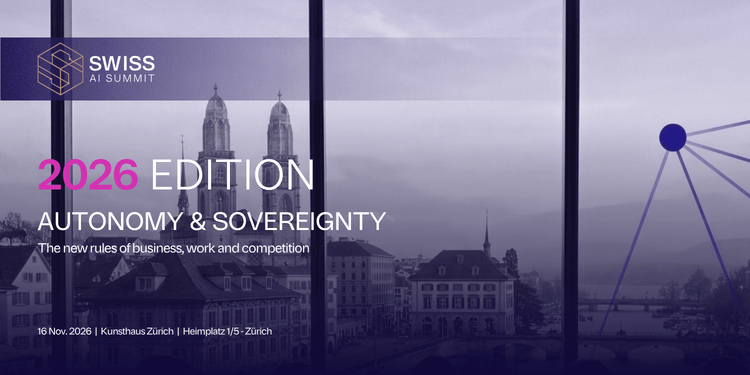
2026 EDITION: Autonomy & Sovereignty
The Swiss AI Summit announces the theme of the 2026 Edition.
-
July 7, 2026
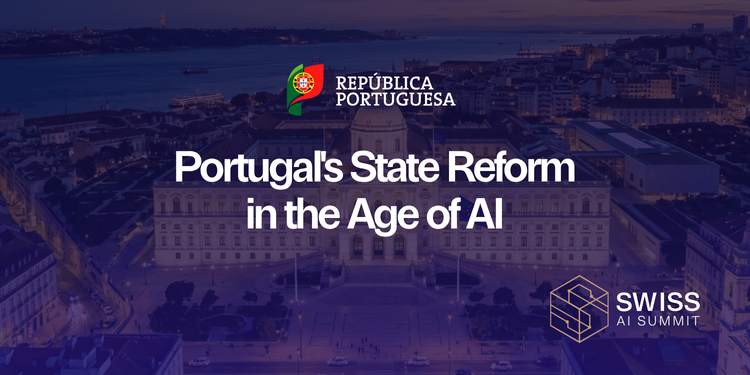
Portugal's State Reform in the Age of AI
What Governments Can Learn from a New Model of Public Administration
-
June 30, 2026
From Code Completion to Autonomous Coding Agents
Our Key Takeaways from our Vibe Coding Session hosted by OST
-
May 14, 2026
The geopolitics of data sovereignty
The political, economic, and strategic battle over digital trust
-
March 25, 2026
Swiss AI Magazine 2026 Launch
A recap of the Swiss AI Magazine 2026 launch event in Zurich at Headsquarter.
-

March 11, 2026
How to create real business value from AI
Insights from the First Swiss AI Summit Community Event of 2026
-
February 13, 2026
Agentic AI Orchestration
Swiss AI Summit 2025 Keynote with Georg M. V. Olowson from IBM.
-
February 12, 2026
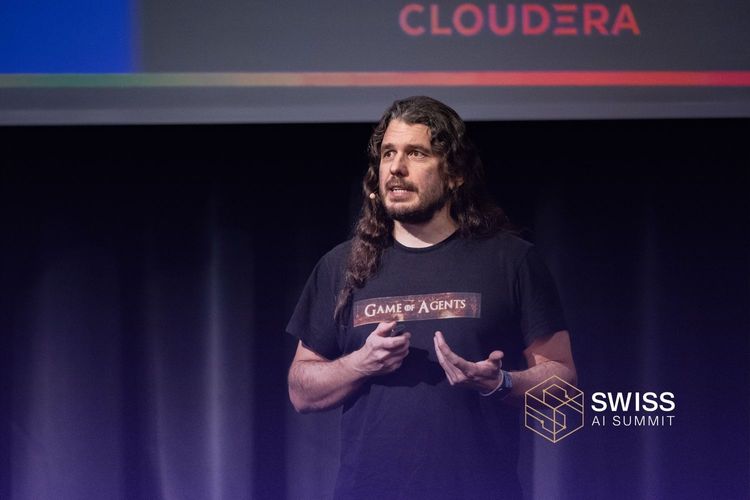
Driving Scalable AI Adoption
Swiss AI Summit 2025 Keynote with Sergio Gago, CTO @ Cloudera
-
February 11, 2026
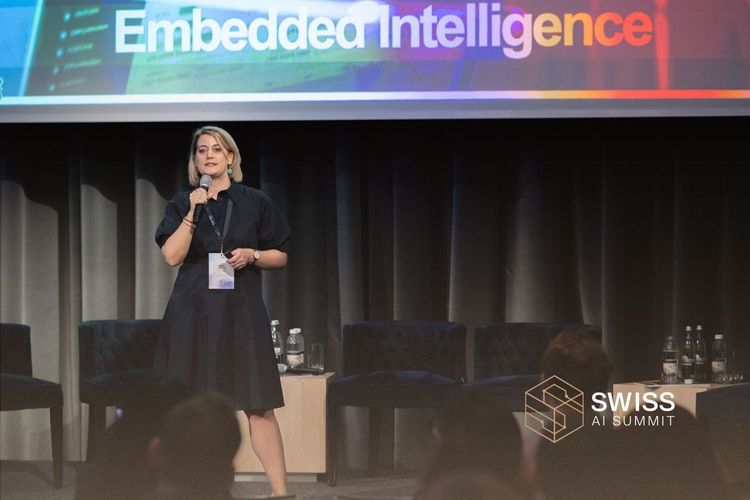
Embedded Intelligence
Swiss AI Summit 2025 Keynote with Nadine Ebmeyer, CEO @ BANQR
-
February 10, 2026
Enterprise AI Beyond the Hype
Swiss AI Summit 2025 Keynote with Dr. Dorian Selz, Founder & CEO @ Squirro AG
-
February 9, 2026
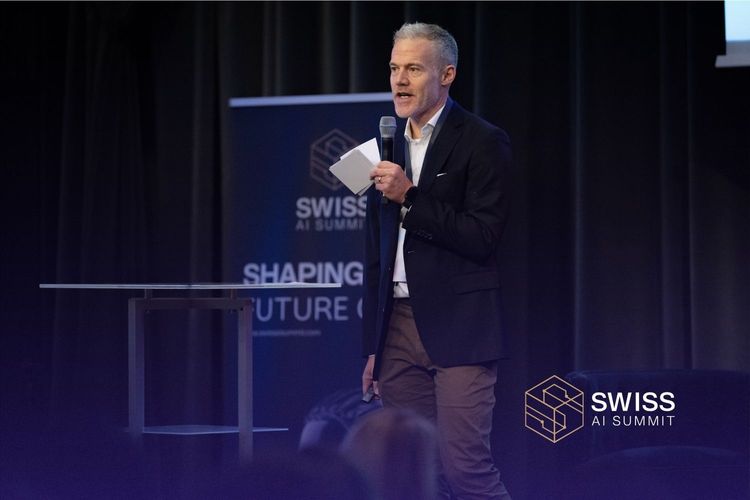
From AI Ambition to Scalable Impact
Swiss AI Summit 2025 Keynote with Wanja Bont, Partner @ PVL Partners
-
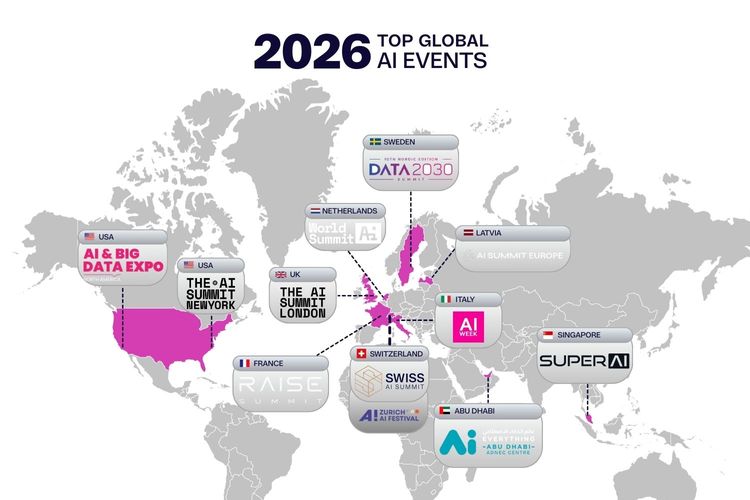
February 6, 2026
Swiss AI Summit listed as a top Global AI Event
Read more about the Article and our Listing by DigitalMara.
-
February 5, 2026
EU-INC. One Legal Entity, One AI Rulebook:
What the EU’s Single Market Vision Means for Tech Companies and AI Innovation
-
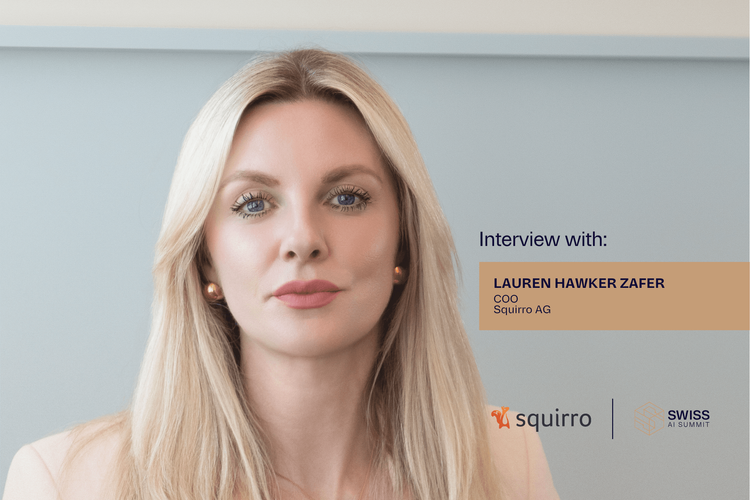
November 2, 2025
Interview with: Lauren Hawker Zafer
How Squirro’s Lauren Hawker Zafer views Zurich’s growing AI ecosystem
-
October 8, 2025
PRESS RELEASE: SwissCognitive and Swiss AI Summit join forces
Strengthening business-driven AI adoption and dialogue in Switzerland and beyond
-

October 1, 2025
Article: General-Purpose AI Code of Practice
From Voluntary Code to Strategic Standard: leveraging the GPAI Code of Practice.
-
September 29, 2025
News: The Swiss AI Summit Ecosystem
Switzerland's holistic Platform for AI Innovation
-
September 10, 2025
Article: Escaping the 85% Failure Trap:
Boost Your AI with Quantum-Enhanced Time Series Forecasting
-

September 10, 2025
Article: AI as the Brain of Tomorrow’s Financial System
Insights from Pathway 2035 for Financial Innovation – Your Navigator
-
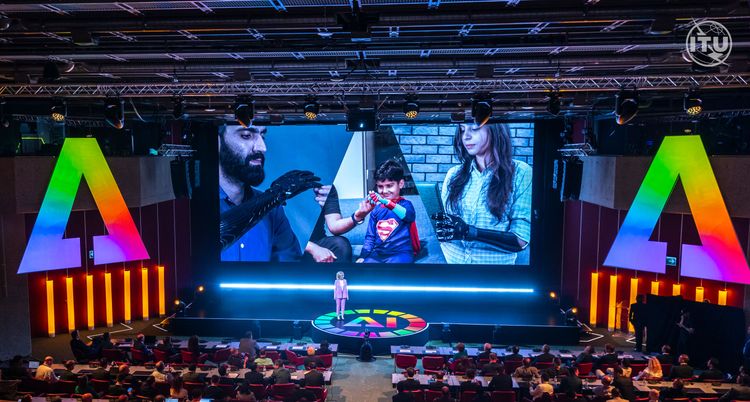
September 8, 2025
Article: Shaping the Future
AI for Good Global Summit 2025 as the UN’s Premier Forum for AI Innovation
-
September 7, 2025
Article: Unlocking Generative AI in Finance
Solving Complex Data Challenges for Central Banks and Government Authorities
-
September 3, 2025
Article: THE FIVE TRUTHS OF AI - 2025 PERSPECTIVE
Let's explore the evolved "5 Truths of AI" that have emerged in 2025.
-
September 2, 2025
Article: Masumi - The PayPal for AI Agents
“We want to build the PayPal for AI agents.”





Share via: